
My twenties were all about elaborate hairstyles. Products, blow-drying, specific techniques to get that perfect textured look. Worked great until I had kids and suddenly zero time for 20-minute hair routines.
Switched to what I thought would be a low-maintenance cut – medium length, versatile, professional-looking in photos. Reality was it looked terrible unless I spent time styling it daily. Air-dried into random chaos that forced me to style it anyway.
Tried probably eight different cuts over two years searching for actually low-maintenance options. Most “low-maintenance” cuts required more effort than advertised or looked sloppy without attention.
Finally figured out which cuts genuinely require minimal effort while still looking intentional. The answers aren’t what men’s magazines typically recommend.
The Buzz Cut Reality
Buzz cuts are as low-maintenance as haircuts get. Clipper guard across your whole head, takes five minutes at home every two weeks. Zero styling, zero product, zero daily effort.
I rocked a number 3 guard buzz for six months. Maintenance was trivial – clipper it myself every Sunday while watching football. Never thought about my hair otherwise.
But buzz cuts aren’t universally flattering. Head shape matters enormously. My head’s got a weird flat spot in back that’s invisible with longer hair but obvious with a buzz. Some guys have lumps, scars, or shapes that need coverage.
Face shape influences whether buzz cuts work too. Round faces often look rounder. Long faces can look longer. Oval faces handle buzz cuts better than other shapes.
Professional environment matters. Conservative industries sometimes view buzz cuts as too casual or military. Creative fields don’t care. Know your workplace culture before buzzing everything off.
The psychological adjustment surprised me. I’d had styled hair for 15 years. Suddenly having essentially no hair felt weird for weeks. Some guys love the freedom, others feel exposed.
Crew Cuts And Short Tapers
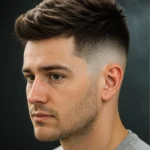
Crew cuts sit slightly longer than buzz cuts – maybe an inch on top, tapered sides. Still very low maintenance but with more shape and professionalism.
These air-dry perfectly without product. The cut’s geometry creates the shape automatically. Towel dry and go. I’ve tried adding product and it makes zero difference in appearance.
Maintenance requires professional cuts every 2-3 weeks. You can’t do this at home like buzz cuts. The taper needs skilled cutting to look sharp. That’s $35-50 monthly depending on your barber.
The shortness means growth shows quickly. By week three, you’re starting to look shaggy. By week four, it’s definitely time for a trim. High trim frequency is the trade-off for low daily maintenance.
Crew cuts work in virtually all professional settings. Conservative enough for law firms, simple enough for tech startups. Universal appeal that requires zero thought about workplace appropriateness.
When I researched professional haircuts for time-constrained guys, crew cuts dominated recommendations. They deliver maximum professionalism with minimum daily effort.
The High-And-Tight Fade
Military-inspired cuts with very short sides and slightly longer top are maintenance champions. The extreme difference between side and top length creates strong definition that lasts between cuts.
These grow out more gracefully than you’d expect. The fade blurs gradually, but the overall shape remains visible for 3-4 weeks. Still looks intentional even when it needs trimming.
Zero daily styling required. The top is short enough to stand or lay flat naturally depending on how you cut it. Product is optional at best.
The aggressive fade requires skilled cutting. Don’t try this at home. Find a barber who specializes in fades and stick with them. Quality matters significantly with these cuts.
Professional perception varies. Some industries view high-and-tights as too edgy or military. Others don’t care. I’d avoid them in extremely conservative fields but they work fine in most modern offices.
What Doesn’t Work: Medium-Length “Low-Maintenance” Cuts
Here’s where marketing lies to men. Medium-length cuts are sold as versatile and low-maintenance. Reality: they require daily attention or look sloppy.
I fell for this twice. “Just run your fingers through it” the barber said. Except my fingers running through it created random texture that looked messy, not intentionally tousled.
Anything over two inches on top needs product to look intentional. Without it, hair falls in random directions, cowlicks become obvious, and volume sits unevenly. Not terrible, but definitely not polished.
The morning decision fatigue also sucks. Style it or leave it natural? Which product? How much? Short cuts eliminate all those decisions – they look one way and that’s it.
Natural Texture Exceptions
Guys with perfect natural wave or curl can pull off longer low-maintenance cuts. Their texture creates intentional-looking movement without product.
My buddy has great natural wave that air-dries perfectly at three inches long. Genuinely low-maintenance for him. But his cut is specifically designed around his wave pattern by a barber who understands texture.
This is rare. Most guys have normal hair that falls flat or random without guidance. If you don’t have obviously great natural texture, assume medium-length cuts will require styling.
The Widow’s Peak And Cowlick Challenge
I have a prominent widow’s peak and a cowlick at my crown. Certain “low-maintenance” cuts emphasize these features in terrible ways.
Short cuts minimize cowlick visibility – not enough length to stick up weird. Medium-length cuts let cowlicks do whatever they want, which is usually chaos.
Widow’s peaks either get worked with or against. Cuts with forward-falling fronts fight the peak and require daily styling to control. Cuts that work with the peak’s natural direction are genuinely low-maintenance.
Know your hair’s quirks before choosing cuts. What’s low-maintenance for someone else might be high-maintenance for your specific hair pattern.
Balding And Thinning Considerations
Thinning hair complicates “low-maintenance” dramatically. Longer cuts try to hide thinning but require styling to achieve coverage. Short cuts reveal thinning but require zero daily effort.
I started thinning at my temples last year. Tried keeping length to conceal it. That length required careful styling every day to create the illusion of fullness. Exhausting.
Went shorter and stopped fighting it. Way less daily effort, looks more honest, and frankly better than obviously styled-to-hide-balding longer cuts.
For thinning guys, genuinely low-maintenance means short. Anything else involves daily management that defeats the purpose of low-maintenance.
Realistic Maintenance Schedules
Low-maintenance cuts still require regular barbershop visits. Buzz cuts you can do at home. Everything else needs professionals every 2-4 weeks depending on the cut.
Budget this time and money. Even assuming just $30 per cut, you’re spending $400-800 annually on maintenance. Plus the time driving to the barbershop and sitting for cuts.
I go every three weeks like clockwork. Calendar it or you’ll forget and suddenly you look shaggy at important moments. Regularity matters more than the specific cut.
Wrapping This Up
Truly low-maintenance haircuts are shorter than most guys want. Buzz cuts, crew cuts, and high-and-tights genuinely require minimal daily effort. Medium-length cuts marketed as low-maintenance almost always need styling.
Be honest about your styling commitment before choosing a cut. Zero daily effort? Go short. Willing to spend 2-3 minutes daily? Medium-length becomes viable. Don’t get a cut that requires effort you won’t actually give it.
Your hair type, head shape, and natural growth patterns all affect which cuts genuinely work without effort. What’s low-maintenance for your friend might be high-maintenance for you.
Test cuts during low-stakes periods. Don’t experiment right before major life events. Give yourself a month to live with a cut and understand its real maintenance requirements versus what the barber promised.