I went years thinking daily styling was vanity – something only high-maintenance guys did. Just shower, towel dry, and go. Worked fine until it didn’t.
Started noticing the guys who got promoted had intentional hair. Not elaborate styles, just clearly styled with purpose. Meanwhile, my air-dried chaos looked exactly like what it was – zero effort.
Tried daily styling for a month as an experiment. The difference wasn’t just appearance. I felt more prepared, more professional, more like someone who had their act together. All from spending three minutes on my hair.
Four years later, I’ve figured out which cuts actually need daily styling versus which ones work naturally. The answer surprised me and changed how I approach haircuts entirely.
Cuts Designed To Work Without Product
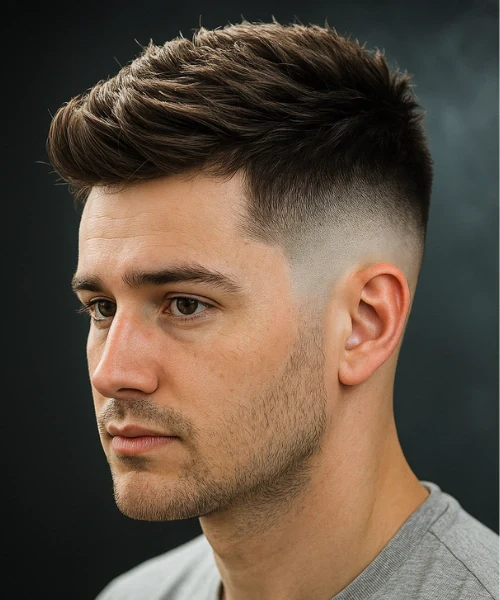
Some haircuts genuinely function without styling. Crew cuts, buzz cuts, and tight fades fall naturally into place after washing. The cut itself creates the shape – product adds nothing meaningful.
My brother rocks a simple crew cut that air-dries perfectly. He’s never owned styling product and looks sharp daily. His haircut’s geometry does all the work automatically.
Short all-around cuts eliminate styling requirements entirely. There’s not enough length to style even if you wanted to. Towel dry and you’re done. Maximum efficiency, minimum maintenance.
But these cuts require frequent trims. My brother cuts his every two weeks to maintain the shape. Miss a trim and it stops looking intentional fast. The low daily maintenance trades off against high trim frequency.
Natural texture determines whether unstyled cuts work. Straight hair air-dries predictably. Wavy or curly hair creates unpredictable patterns that look messy without product to define them.
The Reality Of Medium-Length Cuts
Anything over two inches on top needs daily attention or it looks sloppy. I learned this the hard way with a cut I thought would be low-maintenance.
Medium-length hair air-dries in random directions. Cowlicks become obvious. Volume sits unevenly. The back behaves differently than the front. Without styling, you look like you just woke up.
I tried the natural look with my current cut for a week. Looked acceptable maybe two out of seven days depending on how my hair dried. The other five days I looked unkempt. Not a ratio that works professionally.
Daily styling takes three minutes with medium-length cuts. Damp hair, small amount of product, quick styling with hands or comb. Not elaborate, just intentional. Those three minutes prevent looking sloppy the other 16 hours you’re awake.
Different products create different effort levels. Heavy pomades require more work and look styled. Light matte pastes add texture with minimal effort. Finding the right product changes whether daily styling feels like a chore or a quick routine.
When Natural Texture Works For You
Guys with great natural texture can skip styling if their cut works with their hair pattern. Curly hair that’s cut to enhance natural curl can air-dry beautifully.
My friend has wavy hair that falls perfectly without product. But his cut is specifically designed around his wave pattern. The length and layering guide how his hair naturally moves. That takes a skilled barber who understands texture.
This only works if you maintain the right length. Let it grow too long and the texture stops cooperating. Too short and you lose the wave that makes it work. The window is narrow.
Most guys don’t have magical natural texture. We have normal hair that looks random without guidance. Accepting this saves years of frustration trying to make unstyled hair work.
Professional Expectations Around Styled Hair
Conservative industries expect styled hair. Not elaborately styled, but clearly intentional. Air-dried randomness reads as lazy regardless of whether that’s fair.
I work with financial services clients who absolutely notice hair. Showing up with unstyled medium-length hair signals you don’t care about details. Probably not true, but perception matters in professional contexts.
Creative industries are more forgiving. Casual, textured looks work fine. But even there, intentional mess beats actual mess. The difference is visible even if clients can’t articulate it.
Learning about haircuts for men in professional settings showed me that styling isn’t optional in many careers. It’s baseline professionalism, like wearing appropriate clothing.
Time Investment Versus Results
Daily styling adds 2-5 minutes to morning routines depending on complexity. Seems trivial but adds up to 12-30 hours annually. Worth considering if you genuinely hate maintenance.
I spend maybe three minutes daily. Barely notice it anymore – part of the routine like brushing teeth. But those three minutes maintain professional appearance that affects how people respond to me.
The return on that time investment is substantial. More confidence, better first impressions, professional credibility. Three minutes daily prevents looking unprepared during the other 16 hours you interact with people.
Some guys spend 15-20 minutes styling elaborate looks. That’s excessive unless your industry demands it. Most professional styles require minimal time with practice and the right products.
Product Selection Changes Everything
Bad products make styling feel difficult and time-consuming. Good products make it quick and easy. Took me years to find products that work with my hair type and routine.
Heavy pomades require more product and more effort. They create shine and strong hold but need significant styling time. Great for formal events, overkill for daily use.
Matte pastes and clays work with minimal effort. Small amount, work through damp hair, style quickly with fingers. Natural-looking results in under three minutes. This is my daily approach.
Spray products are fastest but provide least control. Fine for short cuts that need light hold. Insufficient for medium-length styles that need actual shaping.
Hair type determines product choice. Thick hair needs stronger hold. Fine hair gets weighed down by heavy products. Experiment until you find what works quickly with your specific hair.
Building Sustainable Routines
The best approach balances effort with results. Daily styling that takes 30 seconds is sustainable. Daily styling that requires 20 minutes leads to skipping days and inconsistent results.
My routine is sustainable because it’s fast. Shower, towel dry mostly, small amount of paste, quick styling, done. Takes longer to describe than to actually do.
Keep products accessible. Mine sits right by the sink. If I had to dig through cabinets daily, I’d skip it. Remove friction from the routine and consistency follows naturally.
The Weekday Versus Weekend Question
Do you need to style daily or just workdays? Depends on your lifestyle and standards. I style every day because unstyled hair affects how I feel about myself regardless of whether I’m working.
Some guys go natural on weekends and style for work. Totally valid approach. Saves time on days off while maintaining professional appearance when it matters.
My issue with this approach is the transition. Monday morning styling after two days unstyled feels more difficult than maintaining the routine daily. Consistency is easier than stopping and restarting.
Wrapping This Up
Whether haircuts need daily styling depends on the cut, your hair type, and professional requirements. Short cuts work without styling. Medium-length cuts almost always need attention.
The time investment is minimal with the right approach – usually under five minutes. That small effort creates professional appearance that affects how others perceive you and how you perceive yourself.
Choose your cut based on honest assessment of your styling commitment. Don’t get a cut that requires daily attention if you won’t actually do it. Better to have a lower-maintenance cut you actually maintain than a great cut you neglect.
Find products and routines that work quickly with your hair. Styling shouldn’t feel like a chore. Three minutes of simple routine beats elaborate styling you’ll skip half the time.
Previous Article
What Best Haircuts for Men Offer For ProfessionalsNext Article
Which Best Haircuts for Men Need Low Maintenance