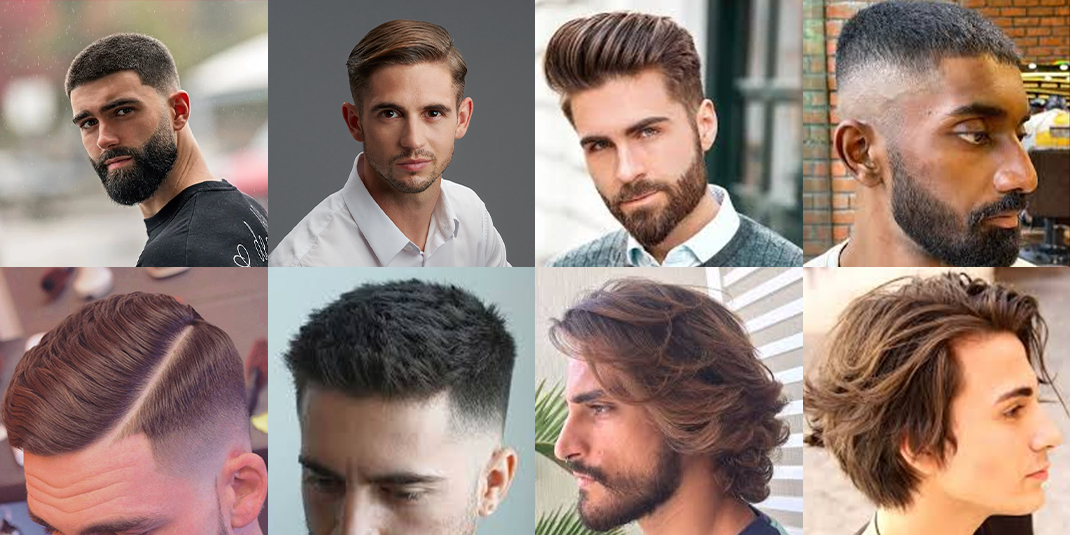
My grandfather had the same haircut his entire adult life – short on the sides, neat on top, always looked sharp in photos from the 1950s through the 2000s. My dad has basically the same cut. And honestly? So do I, with minor modern updates.
Fashion trends come and go. We’ve seen mullets, bowl cuts, frosted tips, man buns, and countless other styles appear, dominate for a few years, then become punchlines. Yet the fundamental structure of classic men’s haircuts has barely changed in 80 years.
There’s a reason those traditional cuts keep working generation after generation. They’re based on principles of proportion, face shape, and practicality that transcend whatever’s currently trending on social media.
Understanding what makes certain cuts timeless helps you avoid looking dated in old photos while still looking current and sharp today.
Built On Face Shape And Proportion
Classic cuts work because they’re designed around human facial proportions that don’t change with fashion. The goal is balancing your face shape to create visual harmony – same principle that’s guided good haircuts for centuries.
Round faces benefit from height on top and shorter sides to create length. Oval faces can pull off most styles because they’re already balanced. Square faces work with textured styles that soften angular features.
These fundamentals haven’t changed since barbers started paying attention to face shape. My barber uses the same principles his mentor taught him 40 years ago because they’re based on geometry, not trends.
Trendy cuts often ignore face shape in favor of whatever’s popular. Works fine until the trend dies and you’re stuck with a style that doesn’t flatter your actual features. Classic cuts adapt to your specific face and look good regardless of current fashion.
Functionality Matters More Than Fashion
Timeless cuts work for real life – jobs, weather, daily maintenance. Trendy cuts often prioritize appearance over practicality, requiring extensive styling time or professional maintenance to look right.
The tapered cut I wear takes three minutes to style in the morning. Looks professional all day without adjustment. Works in humidity, wind, hats – all the real-world conditions that destroy high-maintenance styles.
Styles requiring 20 minutes of blow-drying and product application might look amazing fresh from the salon. But they’re unsustainable for most guys’ actual lifestyles. Classic cuts work because they fit into normal morning routines.
Weather resistance matters more than people admit. Cuts that depend on specific texture or volume collapse in humidity or wind. Traditional cuts maintain their basic shape regardless of weather, maybe losing some polish but never looking completely wrecked.
Professional Versatility Across Decades
Classic men’s haircuts work in professional environments across industries and generations. The same cut looks appropriate in corporate offices, creative industries, client-facing roles, and casual environments.
My haircut wouldn’t look out of place in a 1960s boardroom or a 2025 startup. That versatility means I never worry whether my hair is appropriate for any professional situation. It just works.
Trendy cuts often code strongly to specific industries or age groups. Great if you’re in those environments, but limiting everywhere else. And what happens when you change jobs or the industry trend shifts? Suddenly your cutting-edge style is a liability.
When considering professional haircuts for long-term career success, classic structures provide safety and versatility that trend-focused cuts can’t match.
Aging Gracefully With Your Haircut
Some cuts look great at 25 and ridiculous at 45. Classic cuts adapt as you age, maintaining appropriateness across decades of your life.
My dad’s had essentially the same haircut from his 20s through his 60s. As his hair grayed and thinned, the barber adjusted lengths and proportions, but the fundamental structure worked throughout. You can’t say that about most trendy styles.
Hair texture and thickness change with age. Cuts designed for thick, youthful hair often fail completely as hair thins or grays. Traditional cuts account for these changes because they’ve been refined across multiple generations experiencing the same progression.
Gray hair actually looks better with classic cuts. The conservative structure complements the distinguished gray instead of fighting it. Trendy young styles with gray hair creates cognitive dissonance that just looks wrong.
Lower Maintenance Across Life Changes
Life circumstances change – new job, relationship, kids, different priorities. Timeless cuts remain manageable through all these transitions because they don’t require constant attention.
When my first kid was born, my morning routine got compressed from 45 minutes to 15. The high-maintenance undercut I’d been rocking became impossible. Switched back to a classic cut that looked fine with minimal effort.
Classic cuts forgive missed appointments better too. Growing out slightly doesn’t destroy the style – it just gets a bit longer before you refresh it. Trendy cuts often look terrible if you miss your maintenance window by even a week.
Cost management matters over time. Classic cuts might cost the same per appointment, but they typically last longer between cuts. Four weeks between appointments instead of three adds up over years of haircuts.
Photographic Longevity
Wedding photos, professional headshots, family pictures – these images last forever. Haircuts that are too trendy date photos immediately, while classic cuts keep photos looking timeless.
I can look at photos of my grandfather from any decade and his hair looks appropriate and sharp. His brother went through various trends – sideburns in the 70s, unfortunate perm in the 80s – and those photos are now unintentionally funny.
Your wedding photos will be displayed for decades. Do you want your haircut to look like “2025” in an obvious dated way? Or do you want it to look classic and appropriate regardless of when someone views the photo?
Professional headshots get used for years. LinkedIn photos, company websites, conference materials – all keep showing your haircut long after you’ve moved on from it. Classic cuts age well in these applications.
Adaptation Rather Than Replacement
Timeless doesn’t mean identical across eras. Classic cuts evolve subtly, incorporating modern technique while maintaining traditional structure.
The taper fade is a modern evolution of traditional short-sides styling. Same basic principle – shorter on sides than top – but executed with contemporary clipper work and blending techniques. Feels current while remaining fundamentally classic.
Texture and movement have been added to traditionally slicked styles. You’re seeing classic pompadour structures with modern matte finishes and piece-y texture instead of the shellacked look from the 1950s. Evolution, not revolution.
These adaptations let classic cuts feel contemporary without becoming trendy. You get the best of both – time-tested structure with current execution and finishing.
Universal Masculine Aesthetic
Classic men’s cuts communicate masculinity in ways that transcend cultural and generational boundaries. There’s something archetypal about these styles that works across contexts.
Short sides, structured top – this basic template appears in military cuts, business styles, athletic looks, and casual aesthetics. The fundamental structure just reads as “masculine” to human brains in ways that specific trends don’t.
This isn’t about rigid gender norms, it’s about visual communication. If you want your haircut to clearly communicate traditional masculinity, classic structures do that job effectively.
Trend-based cuts often communicate specific subcultures or time periods more than broad masculine aesthetics. Nothing wrong with that if it’s intentional, but it limits versatility.
Economic Sense Over Lifetime
Jumping between trends means constant major changes requiring new products, more frequent cuts, and professional styling. Classic cuts use similar products and techniques for years.
I’ve used the same pomade for five years because my cut hasn’t changed enough to require different products. My brother chases trends and he’s got a bathroom full of half-used products from various abandoned styles.
Barber hopping – necessary when you keep changing styles completely – means paying premium consultation fees and going through learning curves with new professionals. Sticking with classic cuts lets you build a relationship with one barber who perfects your specific version over time.
Wrapping This Up
Timeless men’s haircuts endure because they’re built on fundamental principles of proportion, functionality, and versatility that don’t change with fashion cycles.
You can chase trends if that’s your thing. But understanding classic structure provides a foundation that works regardless of current fashion, your age, your profession, or your lifestyle changes.
The smartest approach is often finding a classic structure that suits your face and hair type, then adding contemporary execution and finishing touches. You get timeless bones with modern polish.
Your future self will thank you for not having haircuts in old photos that immediately date them to specific trend cycles. Classic never goes out of style because it was never dependent on being in style in the first place.

Previous Article
What Best Haircuts for Men Mean For Self-GroomingNext Article
How Best Haircuts for Men Evolve With Lifestyle