I used to think haircuts didn’t matter much in professional settings. Keep it neat, don’t look sloppy, and you’re fine. Then I started my own consulting business and realized how wrong I was.
First client meeting with my usual messy medium-length hair, I noticed the other guys in the room had sharp, intentional cuts. They looked put-together in a way I didn’t. Nothing was said, but the difference was obvious.
Switched to a proper professional cut that month and the response was immediate. People took me more seriously in meetings. I felt more confident. Even my wife mentioned I looked more successful. All from a haircut.
Three years later, I’ve learned exactly what makes certain cuts work in professional environments and which ones create problems you don’t anticipate until you’re living with them daily.
The Clean Lines That Command Respect
Professional environments reward precision. Messy, undefined haircuts suggest you don’t pay attention to details. Clean lines and intentional shape signal competence before you say a word.
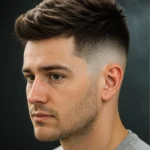
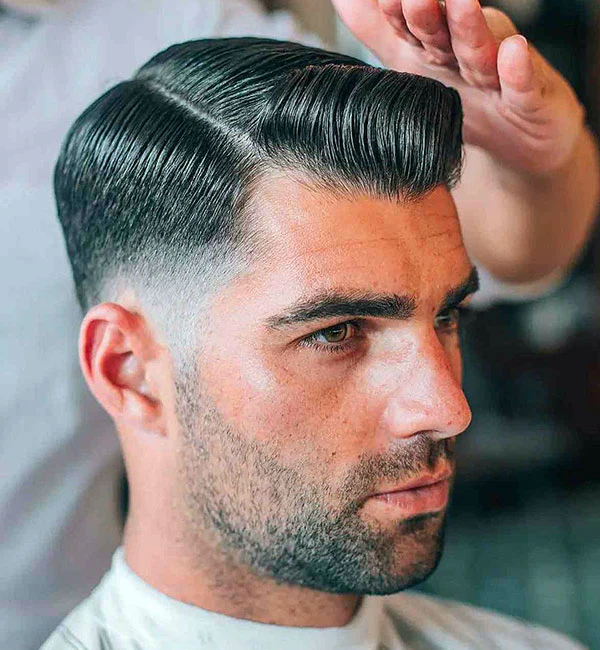
Classic tapers and fades create sharp edges around the ears and neckline. These lines stay visible even as hair grows, maintaining a polished appearance between cuts. You look intentional instead of like you forgot to get a haircut.
I get mine trimmed every three weeks now. Sounds excessive, but those clean lines disappear around week four. By week five, I look shaggy. The difference between week three and week five affects how people perceive professionalism.
Defined partings add structure that’s visible even from across a conference room. My barber creates a subtle part that guides how my hair naturally falls. Takes zero effort to maintain but creates instant polish.
Front hairline shape matters more than most guys realize. Rounded or squared edges frame your face differently and affect the overall impression. My barber squared mine slightly – small change that made a noticeable difference in photos and video calls.
Researching professional haircuts helped me understand what actually works in business settings versus what just looks good on Instagram. Functionality beats trendiness every time in professional contexts.
Length That Works With Dress Codes
Different industries have different expectations. Creative fields tolerate longer styles. Finance and law skew conservative. Tech falls somewhere in the middle. Your cut needs to match your industry’s culture.
I work in business consulting, which means conservative clients and creative startups. My cut works for both – short on sides, slightly longer on top with flexibility to style neat or textured depending on the meeting.
Avoid extremes in conservative industries. Buzz cuts can read as too casual or military. Very long hair raises eyebrows in traditional settings. The safe zone is roughly 1-4 inches on top, faded or tapered sides.
Test your haircut in your actual work environment before committing. What works theoretically might clash with your company culture. I’ve seen guys show up with trendy cuts that technically looked professional but stood out awkwardly in conservative offices.
Versatility For Different Situations
The best professional cuts adapt to multiple contexts. Client presentations require polish. After-work events allow more relaxed styling. Your haircut should handle both without looking wrong in either situation.
Mine slicks back with product for formal meetings. Run my hands through it and it falls naturally for casual settings. Same cut, different energy, appropriate for different professional contexts.
Some cuts lock you into one look. High-and-tight fades always look formal. Longer textured cuts always look casual. The sweet spot is structured enough for serious meetings but flexible enough for networking events.
Video calls exposed haircut flaws I’d never noticed in person. Certain styles look great in mirrors but weird on camera. Side parts photograph better than messy texture. Clean fades read crisper than grown-out blur.
Maintenance Expectations Nobody Mentions
Professional cuts require regular maintenance or they stop looking professional fast. That clean fade? Blurry and undefined after three weeks. Sharp lines? Gone by week four.
Budget time and money for frequent trims. I spend $40 every three weeks plus tip. That’s $750+ annually just maintaining the cut. Cheaper than a bad reputation from looking sloppy, but it’s a real cost people don’t consider.
At-home maintenance between cuts helps extend professional appearance. I clean up my neckline with clippers every ten days. Takes five minutes and keeps the back looking crisp when growth starts showing.
Product becomes non-negotiable with professional cuts. These styles need light hold to maintain shape throughout the day. I use a small amount of matte paste every morning – adds maybe 30 seconds to my routine.
Gray hair changes everything. My temples started graying last year and suddenly my low-maintenance cut needed more attention. Gray hair has different texture and shows growth patterns more obviously. Adjusted my cut to work with the gray instead of fighting it.
How Your Face Shape Influences Success
Face shape determines which professional cuts actually work on you. I have a longer face, so styles with height on top make me look stretched. Learned this after a bad cut that technically looked professional but made my proportions weird.
Round faces benefit from height and angles that elongate. Square faces handle most styles well. Oval faces are the easy mode of haircuts – nearly everything works. Know your face shape before requesting specific cuts.
Hairline matters enormously. Receding hairlines need different approaches than full hairlines. Trying to hide recession with length usually makes it more obvious. Better to work with what you have through strategic cutting.
Your barber should assess your face before cutting. Mine asks about my work environment, how much time I’ll spend styling, and what impression I need to make. That consultation prevents cuts that look good in theory but fail in practice.
The Confidence Factor
Here’s what nobody tells you – the right professional haircut changes how you carry yourself. I stand differently, make better eye contact, and speak with more authority when I know my hair looks sharp.
Bad hair days affect performance. I’ve rescheduled important meetings because my hair looked wrong and I knew it would undermine my confidence. Sounds vain until you realize professional success depends partly on how you present yourself.
The investment in a proper cut pays returns beyond appearance. Clients trust polished professionals more readily. Colleagues take you seriously. Your own confidence increases when you know you look put-together.
Wrapping This Up
Professional haircuts aren’t about vanity or following trends. They’re strategic tools that affect how others perceive your competence and how you perceive yourself.
Find a skilled barber who understands professional requirements. Cheap cuts save money short-term but cost you in perception and confidence. Quality cutting, regular maintenance, and appropriate styling create professional presence that affects your career.
Test cuts before major professional events. Give yourself a month to live with a new style and adjust as needed. The week before a big presentation isn’t the time to experiment.
Your haircut works 24/7 shaping impressions. Make it count. The difference between acceptable and excellent is smaller than you think, but the impact on your professional life is substantial.
Previous Article
Why Best Haircuts for Men Trend Every YearNext Article
Should Best Haircuts for Men Be Styled Daily